
Sarasota estate cleanout when heirs can't agree on what to
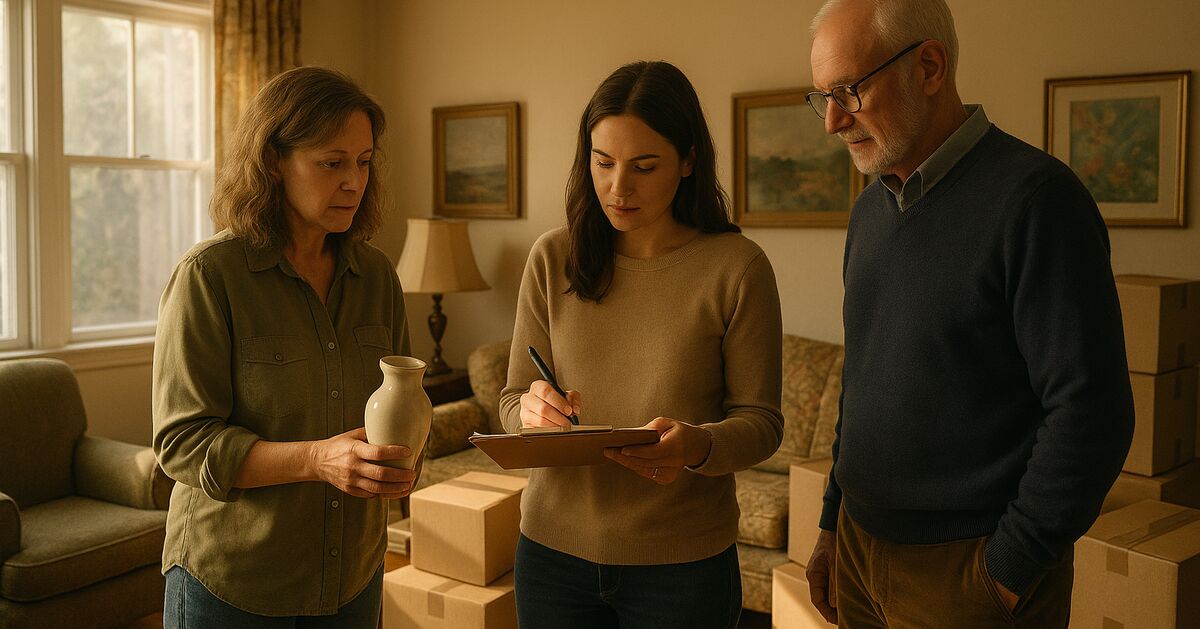
Family disagreements turn even the simplest estate cleanout into an obstacle course. One sibling wants to keep every piece of furniture because of the memories it holds. Another wants to sell everything fast and split the cash. A third is three states away and can't make it to Sarasota at all, but has strong opinions about the china cabinet. Meanwhile, the home sits, the utilities run, and the clock on any mortgage or rental obligation keeps ticking.
This situation is not rare. It may be the most common complication we see during estate cleanouts and full-property hauling jobs across Sarasota, Venice, North Port, Englewood, and the surrounding communities. Grief makes people dig in. Distance makes communication awkward. And old family dynamics - the kind that have been simmering for decades - tend to surface the moment someone mentions dividing up a parent's belongings.
The good news is that most families do get through it. What helps is having a clear process, agreeing on a few ground rules before the first item moves, and understanding why these disagreements happen in the first place.
Why heirs disagree: it usually isn't really about the stuff
Before jumping into tactics, it helps to understand what's actually going on. In most cases, the argument over the dining room table is not really about the table. It's about fairness, memory, and grief wrapped up in a physical object.
Some common patterns:
- The local heir feels entitled to more because they were the one who drove Mom to appointments, managed the house repairs, and showed up for every holiday. They feel they've already "earned" a larger share and the physical items feel like recognition of that sacrifice.
- The distant heir feels left out and uses the cleanout as an opportunity to participate, even if that participation looks like slowing things down or insisting on being consulted on every single item.
- Someone is financially stressed and sees the estate sale proceeds as meaningful income. They may push to sell things that other heirs see as irreplaceable.
- Someone is emotionally not ready to let go, and cleaning out the home feels like a second death. Stalling on decisions is a coping mechanism, not necessarily stubbornness.
Recognizing which dynamic is actually at play makes it easier to respond constructively rather than reactively.
Start with the legal framework, not family consensus
The estate executor or personal representative has legal authority to make final decisions about property. This is not about being bossy. It's about having a single decision-maker who can break ties and keep things moving when consensus isn't possible.
If you are the executor, understand your actual authority under Florida probate law before the cleanout begins. You may be legally required to inventory and fairly distribute or sell assets - not simply defer to whoever shouts the loudest or shows up in person.
If there is no clear executor yet, or if the estate is going through probate, talk to a probate attorney before anyone removes a single item from the home. Taking things prematurely - even with good intentions - can create legal liability and make the disagreements far worse. This is especially important for estates in Sarasota County, where the probate court will have jurisdiction over how assets are handled.
Once the legal authority is clear, everything else becomes a lot more manageable.
Set the ground rules before anyone walks in the door
One of the most effective things a family can do is hold a brief, structured conversation before the first in-person visit to the property. This can be a phone or video call if some heirs are out of town. The goal is to agree on a few basics:
Who has final say? Ideally the executor, but some families agree to unanimous consent for high-value items and majority rule for everything else. Either approach works as long as everyone agrees to it in advance.
What is the timeline? If the home needs to be sold or cleared by a specific date, say so. A concrete deadline helps move people from "we should figure this out eventually" to "we need to make decisions now." Homes in Sarasota and on Longboat Key or Siesta Key can carry significant holding costs, so the financial case for moving promptly is often real.
How will disputes be handled? Will you bring in a mediator? Defer to the executor? Flip a coin for low-value items? Decide this before you need it.
Will photos be shared with absent heirs? If a sibling is in Chicago and can't get to Sarasota, a simple shared photo album of every room gives them visibility and reduces the feeling that decisions are being made behind their back.
Use a simple tagging system during the walkthrough
When you do the first walkthrough of the property, bring colored stickers or painter's tape and labels. Assign each heir a color and let everyone walk through and tag items they want to keep or discuss further. Items with no tags after the walkthrough are candidates for donation or hauling.
This approach works for a few reasons. It's visual, it's concrete, and it gets everyone moving rather than having an abstract argument in the kitchen. When two heirs tag the same item, that's a flag for a specific conversation - not a general standoff about everything.
For items where two or more heirs both want it, a few options:
- Draw lots. Simple and fair. Neither person can argue the process was rigged.
- Appraised value buyout. One heir buys the other out at fair market value. This is worth doing for genuinely valuable items.
- Tiebreaker vote. If there's an odd number of heirs, or if the executor has a tiebreaker vote, use it.
- Sell it and split the proceeds. Sometimes the most peaceful resolution is to let the object go entirely and divide what it brings at auction or sale.
The goal is to have a predetermined answer for "what do we do when we can't agree," so that question doesn't derail the entire cleanout.
Bring in a neutral appraiser for high-value items
One of the most common sources of conflict is disagreement about what something is actually worth. One heir is convinced Grandpa's coin collection is worth a fortune. Another thinks the antique dresser should go to charity because "nobody buys old furniture anymore." A third wants to keep the jewelry because it must be valuable.
An independent appraiser removes the guesswork. For estate jewelry, fine art, antiques, coins, or collectibles, a certified appraisal gives everyone a common starting point and eliminates arguments grounded in assumption. The cost of an appraisal is almost always worth it when it prevents a family conflict from escalating.
Sarasota has a healthy market for estate items given the area's large retiree population and the consistent turnover of homes in communities from Osprey down to Englewood. A local appraiser familiar with what actually sells here will give you a more realistic number than a national online estimate.
Don't let "undecided" items stall the whole project
One of the most practical things we've learned doing estate cleanouts across our service area is that a few genuinely disputed items should not hold up progress on everything else. The solution is to create a physical holding zone.
Designate one room, one corner of the garage, or a storage unit as the "pending" area. Move all disputed items there and keep the rest of the cleanout moving. Set a date - two weeks, one month, whatever the timeline allows - by which the pending items must be resolved. If no decision has been made by that date, the executor makes the call.
This keeps momentum going. A stalled cleanout is expensive (holding costs, utilities, insurance) and emotionally draining for everyone involved. A clear pending process allows progress without forcing premature decisions on the genuinely hard items.
Know what a junk hauler can and cannot help with
When the family has reached decisions and it's time to remove what nobody is keeping, a professional hauler handles the heavy lifting, disposal, and recycling. That's where a team like ours comes in.
What we can do: clear furniture, appliances, mattresses, boxes, garage contents, yard debris, and general household junk in a single visit. We handle the physical labor so family members don't have to spend their emotional energy wrestling a sofa down a staircase. For families coordinating from out of town, we can work directly with a local contact and send photo documentation of what was removed.
What we cannot do: make legal decisions about the estate, appraise items, or override a dispute between heirs. Our job starts when the family has made their decisions and needs the "no" pile cleared out efficiently. If you're curious about what the process looks like in practice, our FAQ page covers the most common questions about scheduling, pricing, and what happens to items after they leave the property.
For families managing a cleanout that involves a large or complicated property, it's also worth reading about what we've found during estate cleanouts in Sarasota County - sometimes items turn up that nobody expected and that require a specific decision before they can be hauled away.
Handling the heir who simply won't engage
Occasionally, one heir goes quiet. They don't respond to calls or emails, don't commit to a visit, and don't give any input - but they also object to decisions being made without them. This is genuinely difficult, and it's more common than most people expect.
A few approaches that tend to help:
- Put everything in writing. Email or text every decision and every update. If the non-responsive heir later claims they weren't informed, there's a record.
- Set a response deadline in writing. "We will be making a final decision on the living room furniture by [date]. Please reply by then if you have input." This shifts responsibility to the absent heir.
- Involve your estate attorney. If the non-engagement is creating real legal or financial risk for the estate, an attorney can advise on how to proceed without all heirs' active participation.
The executor has a legal duty to move the estate forward. A non-responsive heir doesn't have veto power over that process indefinitely.
Emotional support matters as much as logistics
A Sarasota estate cleanout is almost never just a logistical problem. Even when families are functional and cooperative, walking through a parent's or grandparent's home and deciding what to do with every object they owned is emotionally heavy work. Give people room for that.
Build in breaks during the walkthrough. Don't try to clear an entire house in one intense day if it can be spread over two or three. Acknowledge when someone needs to step outside for a few minutes. The cleanout will get done. The relationship with your siblings will outlast it.
If the grief or conflict is serious, a grief counselor or family therapist who is familiar with estate transitions can be genuinely valuable - not as a luxury, but as a practical tool for keeping the process on track.
When you're ready to move forward
Once the family has worked through the decisions, the hauling part is the easy part. Our team works with families throughout Sarasota, Venice, North Port, and Englewood on exactly this kind of job. We show up on time, work efficiently, and treat the property and what's left in it with respect. We understand that what looks like a pile of old furniture to an outsider is something much more significant to the people standing in that room.
If you're in the middle of an estate cleanout and want to talk through what the hauling phase would look like, reach out to us - no obligation, no pressure. We're happy to walk you through the process and give you a clear picture of what to expect before anyone commits to anything.
The hardest part of a family estate cleanout is usually the conversations, not the physical work. Get those right and the rest follows.