
Cleaning out a Sarasota home when there's no will and no
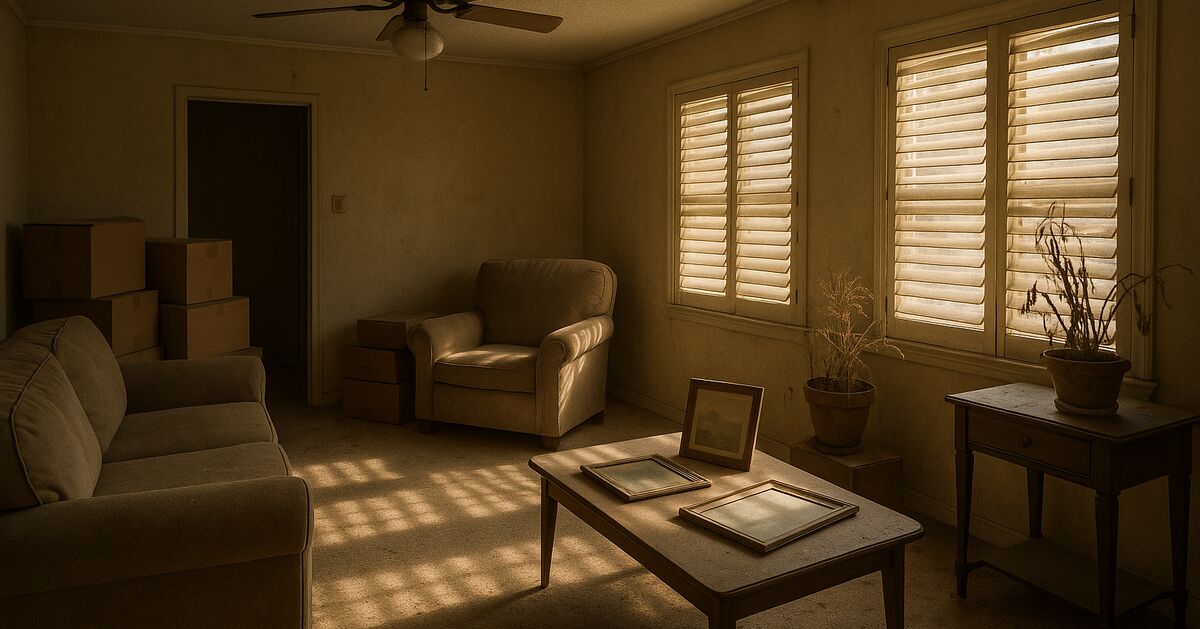
Nobody warns you about this scenario. A neighbor calls the county. A landlord can't reach a tenant. A distant relative surfaces after the funeral and finds a home full of belongings, a car in the driveway, and absolutely no paperwork explaining who is supposed to handle any of it. Cleaning out a Sarasota home when the deceased left no will and no clear next of kin is one of the most legally tangled, emotionally heavy situations a person can walk into, and it happens more often than most people realize.
This post is for the people who find themselves in that situation: the cousin who drove down from Atlanta, the neighbor who has a spare key, the public administrator trying to wrap up a case, the adult child who was estranged for years and is now standing in a stranger's version of their parent's home. The goal here is to help you understand the process, avoid the mistakes that create real legal and financial trouble, and eventually get the property cleared safely and respectfully.
Why "no will" changes everything about a cleanout
When someone dies with a valid will, the executor named in that document has clear legal authority to manage the estate, including decisions about the home and its contents. Without a will, the state of Florida steps in with its own set of rules called intestate succession. The probate court appoints a personal representative, sometimes a family member and sometimes a professional, to fill that role.
Until someone has been appointed by the court, nobody has legal authority to remove, sell, donate, or dispose of anything inside that home. That is not a technicality you can work around. It is a hard legal line, and crossing it can expose you to civil liability or, in extreme cases, criminal charges for theft or destruction of property.
This is the first and most important thing to understand: the physical cleanout work cannot happen until the legal framework is in place, or at least clearly underway with guidance from an attorney.
What intestate succession actually means in Florida
Florida's intestate succession laws determine who inherits when there is no will. The order goes roughly like this: surviving spouse first, then children, then parents, then siblings, then more distant relatives. If no living relatives can be found after a diligent search, the estate eventually escheats to the state of Florida.
The phrase "no clear next of kin" can mean several different things in practice. It might mean:
- The deceased had no living immediate family
- Family exists but nobody can be located
- Multiple potential heirs exist but their relationships to the deceased are disputed or unverified
- The deceased was estranged from family and no one has come forward
Each of these situations plays out a little differently through the courts, but all of them require formal legal action before a cleanout crew, an estate sale company, or even a well-meaning neighbor should touch anything in the home.
The role of the Sarasota County public administrator
Florida law provides for a public administrator in situations where there is no one willing or qualified to serve as personal representative for an intestate estate. In Sarasota County, this role falls to the Clerk of the Circuit Court's office. If you are aware of a death with no apparent heir and no one managing the estate, contacting that office is the appropriate first step.
The public administrator takes inventory of the estate's assets, secures the property, and works through the court process to resolve the estate. This can take months. The home will typically be locked and inaccessible to outside parties during that period.
If you are a neighbor or friend who has been informally looking after the property, the best thing you can do is report what you know, hand over any keys, and step back. Continuing to enter the property after authorities are involved puts you in a legally uncomfortable position.
If you are a potential heir: what to do first
If you believe you may have a legal claim to the estate, your first call should be to a Florida probate attorney, not a junk removal company. An attorney can help you file a petition to be appointed personal representative, which is what gives you the legal authority to act.
Once that appointment is in place, you can begin making decisions about the home's contents. Those decisions typically include:
- Identifying and cataloging items of potential value
- Arranging for appraisals of significant property
- Coordinating with any other potential heirs
- Deciding what to donate, sell, or dispose of
- Hiring a cleanout crew when the time comes
The estate cleanout services we provide are designed to work alongside this process. We come in after the legal decisions have been made, not before. Our job is to handle the physical labor efficiently and with care for what the space means to the people involved.
What happens to the home's contents in a no-heir situation
When an estate truly has no heirs, the personal representative (often the public administrator) is responsible for liquidating assets to pay any debts, with the remainder going to the state. Personal property with no monetary value gets disposed of. The home itself, if owned, goes through the same process and is eventually sold.
The contents of these homes can range from almost nothing to decades of accumulated belongings. We have seen homes in Sarasota and North Port that were meticulously kept and nearly empty, and we have seen homes that took multiple truck loads to clear. There is no typical situation.
What is consistent is that someone eventually has to physically deal with the contents, and when that moment arrives, having a reliable hauling company ready to work makes a significant difference in how quickly the estate can be resolved and the property sold or transferred.
The landlord situation: when the deceased was a renter
This scenario deserves its own attention because it is genuinely common along the coast. A tenant in a rental in Venice, Englewood, or Nokomis passes away. No family shows up. The lease is in their name only. The landlord is left holding a property they cannot re-rent until it is cleared.
Florida law gives landlords a specific process for handling a deceased tenant's belongings. In general terms, the landlord must make a reasonable effort to contact next of kin or an estate representative, hold the property for a required period, and follow the statutory process for disposal if no one claims it. Skipping steps can create liability even when the landlord's intentions are good.
The short version: talk to a real estate attorney before removing anything from a deceased tenant's unit, even if it appears abandoned. Once you have legal clearance, a professional cleanout crew can have a unit ready to show in as little as a day or two depending on volume.
Common mistakes people make in this situation
People act fast when they are grieving or under financial pressure, and that is understandable. But these mistakes create real problems:
Removing items before legal authority is established. Even if you are the most logical heir, removing furniture or valuables from the home before probate is opened can be used against you in court. Other potential heirs can argue you misappropriated estate property.
Throwing things away without review. Homes with no clear estate plan often contain financial documents, insurance policies, deeds, and other paperwork buried in drawers and closets. Tossing those before they are reviewed can cost the estate real money.
Assuming digital accounts and paperwork do not matter. Subscription services, bank accounts, and utility accounts in the deceased's name continue generating charges until someone cancels them. Finding those accounts requires going through the mail and paperwork in the home, which is another reason to do a careful review before anything gets hauled away.
Hiring the first hauler who answers the phone. In an estate situation, especially one with legal complexity, you want a hauler who understands how to work within the process, respects the sensitivity of the situation, and will not rush you into decisions that cannot be undone. Our frequently asked questions page covers what to expect when you hire us for this kind of work.
How the cleanout actually works once authority is in place
Once the personal representative has legal standing, the cleanout process looks like this in practice:
- Walk-through and assessment. The personal representative (or their designated contact) walks through the home with the cleanout crew to identify anything that needs special handling, items flagged for donation or sale, and the general scope of work.
- Documentation. Before anything moves, photograph the home thoroughly. This protects the personal representative against any later claims about specific items.
- Separation of categories. Items are sorted into what stays (for sale or appraisal), what donates, and what hauls away. This does not have to be complicated. Many people in estate situations find it easiest to remove the clear junk first and then make decisions about the remainder.
- The haul. A crew handles all the heavy lifting, loading, and transport. A well-run crew will work quickly but not carelessly, and will check in before hauling anything that looks potentially valuable.
- Final sweep and cleanup. The goal is to leave the home broom-clean and ready for whatever comes next, whether that is listing it for sale, returning it to a landlord, or transferring it to an heir.
We cover a broader view of how this kind of project unfolds in our post on estate cleanout versus estate sale versus donation, which is worth reading if you are trying to figure out the right approach for the contents overall.
A note on the emotional weight of this work
Cleaning out the home of someone who died without a will, without named heirs, and possibly without close relationships is quietly heartbreaking work. The absence of obvious family can make a home feel abandoned in a way that a typical estate cleanout does not. There may be almost no one who knew this person well, and yet the home holds an entire life's worth of accumulated objects.
We approach every job with the awareness that the things in a home tell a story about the person who lived there. Even when no family is present, we work with care. If we find something that looks meaningful, we set it aside rather than assume it should go. If we find something that looks like it might have value, we say so.
This kind of work is part of the full range of cleanout and hauling services we provide throughout Sarasota County and the surrounding area.
Practical steps if you are facing this right now
If you are standing at the edge of this situation and not sure where to start, here is a plain-spoken sequence:
- Do not enter or remove anything from the home until you have legal guidance. One call to a Florida probate attorney is worth more than an hour of guessing.
- Contact the Sarasota County Clerk of the Circuit Court if there is truly no one to manage the estate.
- Secure the property if you have legitimate reason to do so, meaning you are family, a landlord, or otherwise legally connected to the situation.
- Document everything before the cleanout begins, with photos and a written inventory if possible.
- Choose a hauler who has experience with estate work and understands that decisions made during a cleanout can have lasting legal and financial consequences.
We work throughout the area including Osprey, Longboat Key, and Siesta Key, and we are familiar with the kinds of situations that come up in this part of Florida. Retirement communities, long-term residents, seasonal snowbirds who passed during the winter months, renters without family nearby. These situations are not rare here, and handling them well requires patience as much as it requires trucks.
If you are at the point where you have legal authority and need to talk through the scope of a cleanout, reach out to us and we will give you a straight answer on what it will take.
For more context on the kinds of things we encounter during estate work in this area, you might also find it useful to read about fishing, hunting, and outdoor gear found during a Sarasota County estate cleanout and boats, jet skis, and trailers found during a Sarasota estate or hoarder cleanout. Those posts give a real picture of what turns up and how it gets handled.